Where Lads of Eight and Eighty Speak the Same Language: A Love Letter to the Local Shop
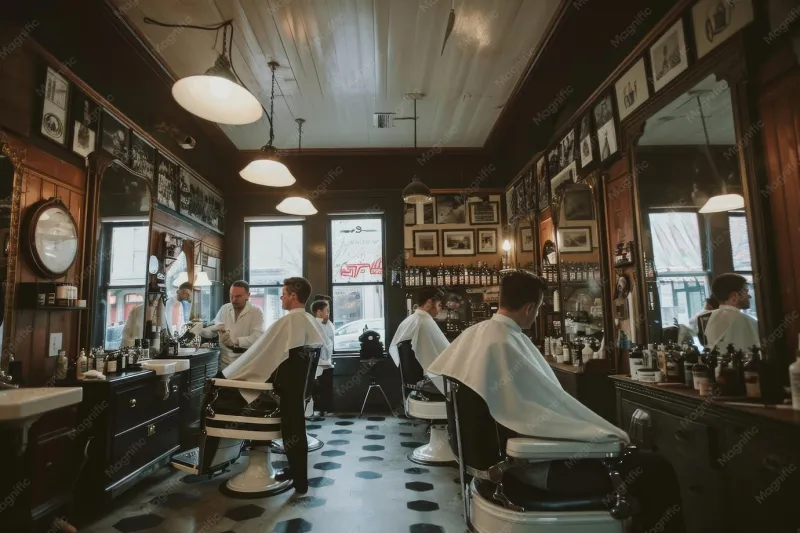
Photo: traditional British barbershop interior men talking barber chair, via img.freepik.com
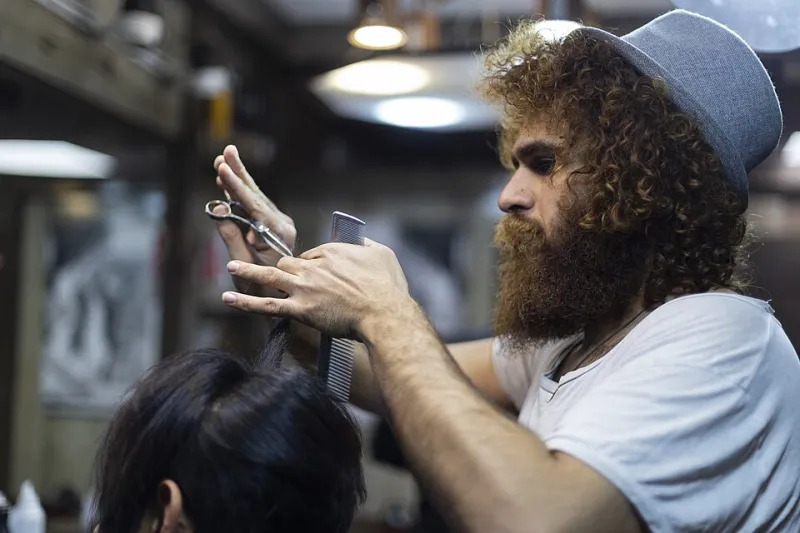
There's a moment that happens in my shop most weeks, and I'd put money on it happening in yours too. A lad of fourteen comes in, hood up, phone glued to his hand, and sits down next to Reg — eighty-two, flat cap on his knee, same short back and sides he's had since Harold Wilson was in Downing Street. For twenty minutes, those two will talk. About football, about the weather, about Reg's days working on the buses. The kid will put his phone away without being asked.
You won't find that anywhere else on the high street. Not the pub — the generations don't mix like that anymore. Not the gym, where everyone's got earbuds in. Not the café, where it's laptops and flat whites. The barbershop is one of the last rooms in Britain where men of every age sit together and just... talk.
The Club Nobody Had to Join
People get misty-eyed about the old men's clubs, the working men's institutes, the Masonic lodges. Fair enough. But those all had barriers — membership fees, a nod and a handshake, someone deciding if you were the right sort. The barbershop never bothered with any of that. You want in? You've got a head and a tenner. That's the whole application process.
And look at what's happened to everything else. The bank branch is gone. The post office moved into the back of a petrol station. The pub that hosted three generations of your family is now a block of flats with a name like 'The Distillery.' Meanwhile, the barbershop is still there, often on the same street it's always been on, sometimes run by the grandkids of the bloke who opened it.
There's a reason Netflix shows about barbershops do so well. People recognise something in them that they're missing — a place where you're known. Not tracked, not targeted, not segmented by an algorithm. Known. The barber remembers your name, your job, your kid's GCSE results, and exactly how you like it around the ears.
What the Chair Actually Does
Here's the thing that outsiders miss: the haircut is almost beside the point. It's the excuse. It's the social contract that gets two blokes — often strangers — into a conversation they wouldn't otherwise have.
I've heard more honest talk in my chair than in twenty years of nights out. Men don't open up at the football or in the group chat. But with a cape on and a mirror in front of them, something shifts. There's no eye contact to manage, nothing to do with your hands, and a built-in twenty-minute window. It's like therapy with clippers, except nobody calls it that.
And it flows both ways across the generations. The young lad learns what the area looked like before the retail park. The older fella learns what on earth 'textured crop' means. Reg will tell you he thinks your fade is 'very smart, actually,' and it'll make your week.
The Chain Can't Copy It
Now, I'm not here to trash the chains entirely — they've got their place, they train good barbers, and a cheap trim when you're skint before payday is nothing to be ashamed of. But let's be honest about what you're buying there. You walk in, you take a ticket, you sit, you get cut, you leave. Often without saying more than 'number two on the sides.' It's a transaction, and there's nowt wrong with transactions.
But you can't build a relationship with a ticket number. The person cutting your hair next month will have never seen you before. Nobody remembers that your daughter's getting married in June and you need to look sharp for the photos. That memory — that continuity — is the entire product of a local shop.
And the economics matter too. Every pound spent with an independent barber mostly stays local. It goes to the shop's rent, the apprentice's wages, the chippy next door at lunchtime. Spend it at a faceless outfit and it vanishes into a head office somewhere off the M5.
A Small Act of Preservation
I know it sounds grand to say that booking a haircut is an act of community preservation. But I half believe it. When you stick with 'your' barber — the one who knows your head, your history, your quirks — you're doing more than getting a decent cut. You're keeping a space alive where men of eight and eighty still natter. Where a teenager learns that conversation with an older bloke isn't scary. Where somebody notices if you haven't been in for a while and asks if you're alright.
The high street is losing these rooms one by one. The ones that remain survive on one thing only: people walking through the door and coming back.
So here's my pitch, and I'll keep it short because Reg's waiting. Book with a local. Rebook before you leave. Learn your barber's name and let them learn yours. It's a small thing — twenty quid and half an hour every six weeks — but the alternative is a high street full of ticket machines and nobody talking to anybody.
And frankly, that's a Britain none of us want to live in. Same time next month, then?