Looked in the Mirror at Home and Panicked? A Barber's Guide to the Bad Cut

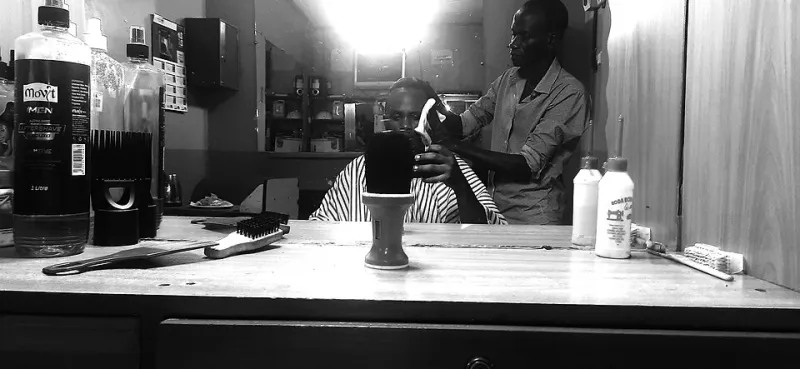
Photo: Wilfredor, CC0, via Wikimedia Commons
There's a specific kind of dread that hits a man about 48 hours after a haircut. In the chair, under the warm lights and the flattery of the mirror, everything looked fine. Then you get home, the daylight does its honest work, and you spot it — the patch behind the ear, the fade that climbs like it's in a hurry, the fringe that's gone rogue.
First things first: breathe. Nearly every bad cut is survivable, and most are less bad than the voice in your head is telling you. Here's how to handle it properly, from a bloke who's fixed a fair few of them.
Work Out What's Actually Wrong
Not all bad cuts are equal. There are roughly three flavours:
The fixable. Uneven length, a wonky line-up, a fade that's mismatched side to side. These can usually be corrected — often quickly — by a competent barber. Hair grows, clippers exist, and most problems are a ten-minute tidy-up away from sorted.
The too-short. Someone's gone closer than you asked, or you've asked for something your head of hair can't support. This one's about patience, not correction. There's no product on earth that adds length back.
The wrong shape entirely. You asked for a textured crop and walked out with something resembling a 2007 WAG bob. This is the tricky one, and it's where honest conversation comes in.
Check It Before You Panic
Give it a proper look before you decide it's a disaster. Wash it. Style it the way you actually would on a normal day. Hair fresh from the chair often sits differently — product, blow-drying and the barber's finishing spray all flatter a cut. Some genuinely bad-looking cuts in the chair settle into something decent after a shampoo and a night's sleep.
If it's still wrong after that, take a photo. Not for Instagram — for reference. It'll help you explain the problem clearly if you go back.
Should You Go Back? Yes, Probably
Here's the bit lads always get wrong: a good barber wants to know when something's off. We're not offended. We'd far rather fix a cut than have you quietly drift to another shop and tell your mates we're rubbish in the pub.
Go back within a few days — most shops will sort a correction free of charge within a week or so. Be specific and unemotional. Not "it's all wrong" but "the left side's a grade shorter than the right, can you blend it?" Vague complaints get vague fixes. Precision gets results.
And don't do the British thing of saying "no, it's lovely, thanks" through gritted teeth while planning never to return. That helps nobody, least of all your head.
Riding It Out: The Styling Playbook
If you'd rather not go back, or the damage is a grow-out job, here's your damage limitation plan:
- Shorter than planned? Embrace it. A close cut often looks intentional within days, especially with a clean beard line to balance it.
- Patchy fade? A matte paste worked through with your fingertips disguises a multitude. Avoid anything shiny — pomade highlights every gap.
- Wonky fringe? A slight side-sweep and a blast of the hairdryer will buy you a fortnight of dignity.
- Hat weather? It's Britain. You've got options. Just don't wear one indoors at work; that raises questions.
Turning It Into a Win
Every bad cut teaches you something about what to ask for. Take photos of cuts you like. Learn the language — grades, lengths, taper versus fade. And take the awkwardness as a signal: if you couldn't tell your barber it wasn't right, you're probably in the wrong chair.
The best relationships in this trade are built on honest feedback. Tell us when we've got it wrong, and we'll make sure we get it right next time. That's how a haircut becomes a standing appointment.